Fidget toys show up on classroom reward lists for a simple reason: they feel more substantial than a sticker, students can choose a motion they enjoy, and the prize can keep being used after it leaves the treasure box. They can also become distracting when sound, size, safety, and expectations are ignored. This checklist helps teachers build a fidget prize box with intention.
1. Decide what the prize is for
Start with the reward system, not the shopping list. Will students choose something after reaching a reading goal, finishing a class job, showing a school value, or spending points at a classroom store? A clear earning rule keeps the fidget from becoming the entire focus of the day.
Avoid promising that a prize will improve attention, reduce anxiety, or meet a sensory need. A reward and a classroom support are not the same thing. Students who use a fidget as part of an agreed support plan should not have to earn access to that support.
2. Offer a small but real choice
A box with five thoughtful categories is often easier to manage than a giant mix of near-identical toys. Consider a few tactile choices alongside non-toy rewards: a slider, a spinner, a clicker that goes home, a fun pencil, a drawing pass, or a seat-choice coupon. The goal is not to make every student want the same thing.
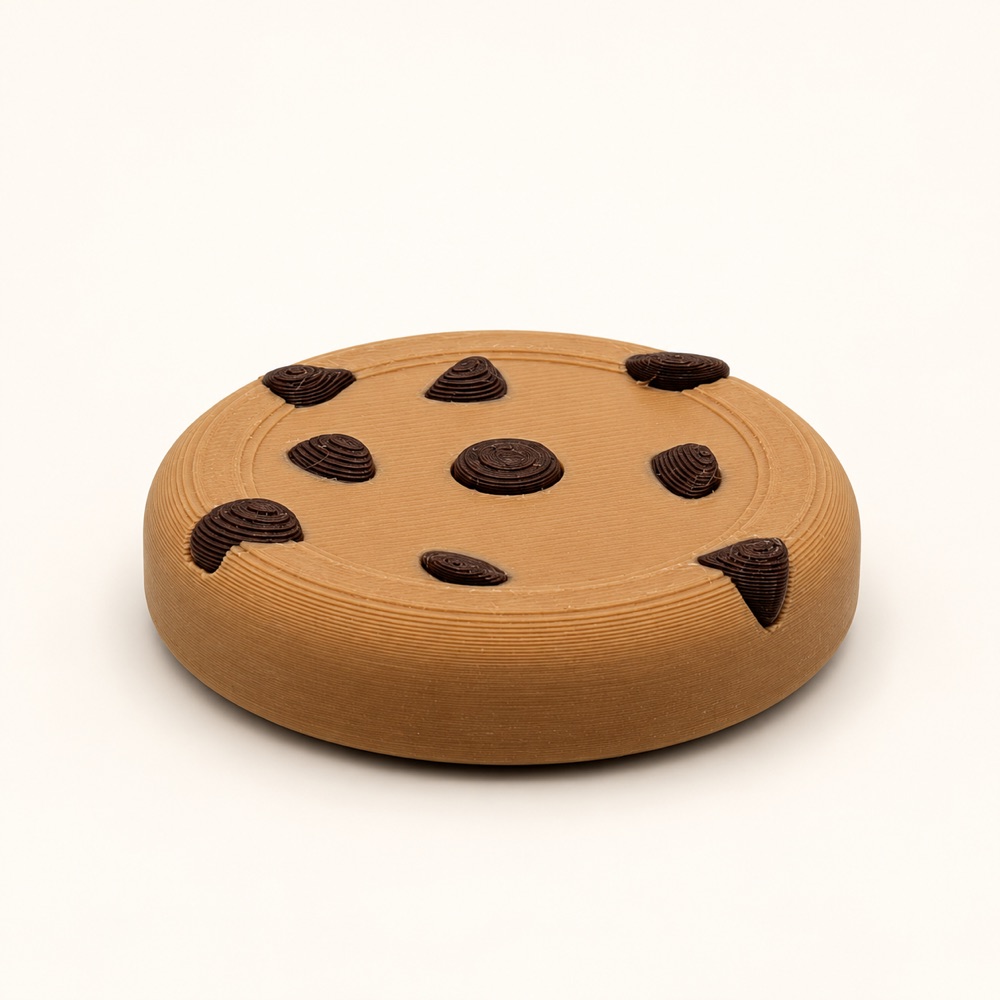
Food-shaped fidgets work especially well as a themed shelf because students can recognize the designs quickly. Cookie, cupcake, s’mores, and macaron forms also give you an easy way to rotate the featured “bakery special” without rebuilding the whole reward system.
3. Sort by sound and classroom use
| Mechanism | What the hands do | Classroom note |
|---|---|---|
| Slider | Move two pieces across one another | Magnetic models contain magnets and can make contact sounds; review product and school rules. |
| Spinner | Hold the center and rotate the outer form | Movement may attract attention; test the sound and visual distraction in your room. |
| Clicker | Press for tactile and audible feedback | The click is intentional. Save for sound-friendly settings or home use. |
| Wiggle | Move a small articulated character | Small and collectible; review size, parts, and age suitability before classroom use. |
4. Write the rules before opening the box
- The teacher decides when classroom use is permitted.
- The item stays in the owner’s hands or designated space—never thrown, traded during instruction, or put in the mouth.
- If a mechanism distracts the user or nearby students, it is put away and tried in a different setting.
- Damaged toys are turned in immediately rather than taken apart.
- A student’s documented support is handled separately from the reward system.
5. Start with ten and track what disappears first
A small first order gives you better information than a giant bulk pack. Note which shapes, colors, and mechanisms students choose, which ones come back damaged, and which ones teachers hear across the room. Restock the winners and move the poor fit to a take-home-only section.
The Fidget Bakery teacher pack lets you order ten of one design, a surprise assortment, or an exact custom mix. That makes it useful as a first test and as a targeted restock after you know the classroom favorites.